Washoe Tribe Celebrates the Return of Ancestral Homelands
By Jeanne Ferris
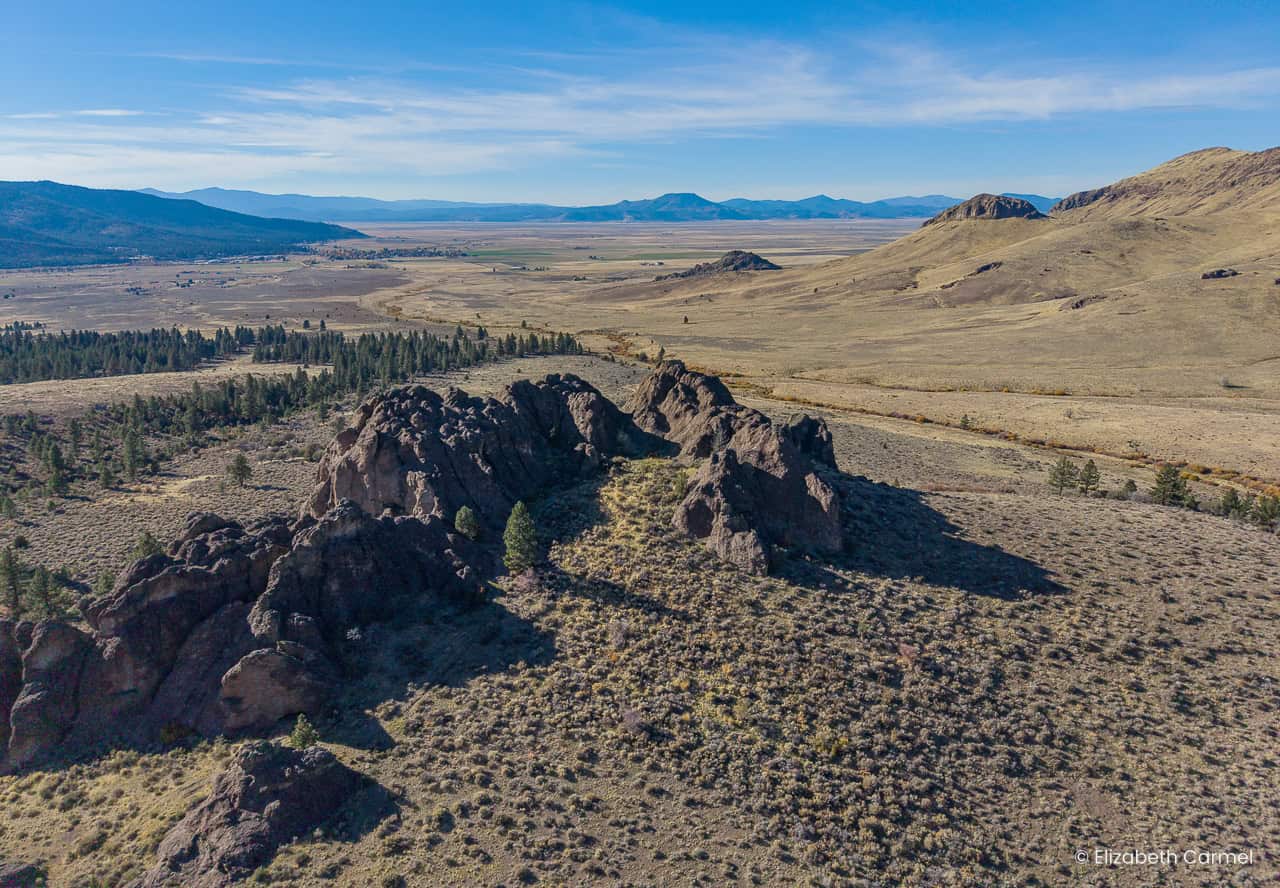
This year, on February 10, the Waší·šiw Land Trust acquired 10,274 acres in the Washoe Tribe’s ancestral homeland.
This marks a historic return of land and a major step in restoring tribal stewardship in an area central to their culture for thousands of years.
The Waší·šiw Land Trust was created in 2025 by the Washoe Tribal Council to restore their homelands to Washoe ownership and care.
“Waší·šiw [Washoe] means ‘the people of these lands—there are four bands in the Washoe Tribe,” Chairman Serrell Smokey said. “All of this area was Washoe tribal territory. After being removed, Washoe tribal allotments were ‘lost’ or stolen. The northern Washoe people were the WélmeltiɁ. The name honors the people who lived here.”
The property borders Lake Tahoe and stretches across both California and Nevada in the Sierra Nevada.
A $5.5 million grant from the California Wildlife Conservation Board, along with $500,000 in private donations, made the purchase possible.
Jennifer Norris, executive director of the Wildlife Conservation Board, said, “We are a state grant-making agency and are excited to help with making this transaction happen. In the last five years, we have leaned into working with tribes and bringing Indigenous stewardship to conserving the biodiversity in California.”
This project also helps the state reach its goal of conserving 30 percent of its land and coastal waters by 2030.
Land Back
The “Land Back” movement calls for reparations for the mistreatment of California’s First People, including the loss of children, lives, and land.
The Washoe Tribe is the third-largest group to receive ancestral land returned through this campaign.
In 2025, the Yurok Tribe secured the largest land-back deal in California history, reclaiming over 47,000 acres along the lower Klamath River.
The Tule River Indian Tribe, the second recipient, reclaimed 17,000 acres of its ancestral homeland also in 2025.
WélmeltiɁ Preserve
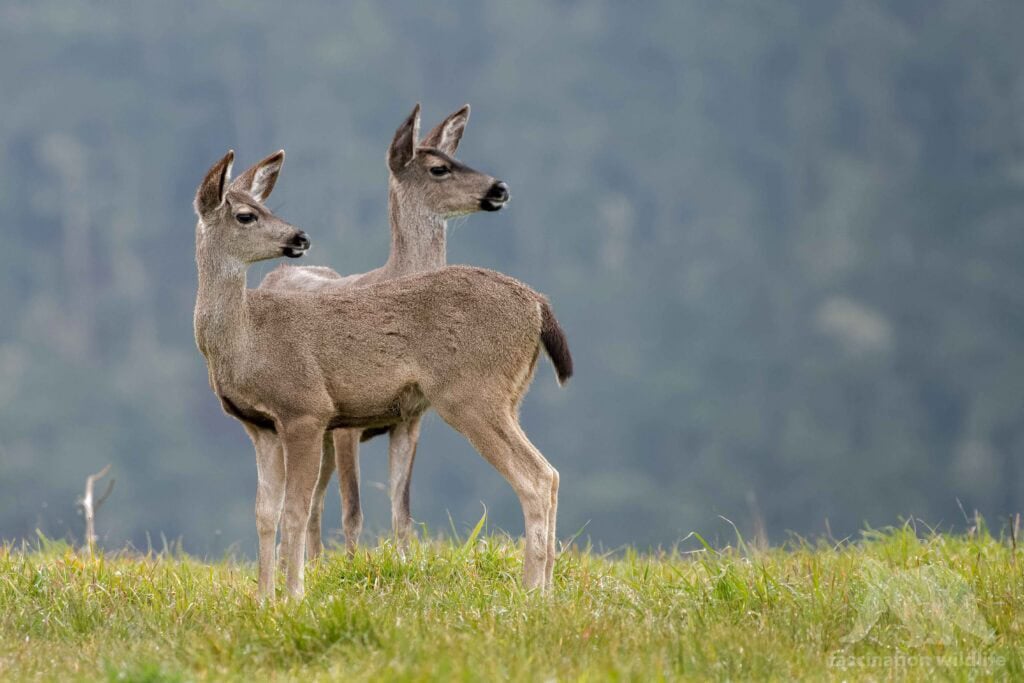
California mule deer (photo by Mario Nonaka)
Loyalton Ranch, once owned by the City of Santa Clara, is now called WélmeltiɁ Preserve.
This vibrant landscape is home to pronghorn, mule deer, mountain lions, and gray wolves.
Important habitats such as sagebrush scrub, grasslands, pinyon pine and juniper forests, aspen groves, meadows, woodlands, springs, and creeks are now permanently protected.
The land also supports plants significant to the Washoe people, such as pinyon pine, a traditional food source that recent wildfires have greatly affected.
The Creek Fire began on September 4, 2020, and burned 379,895 acres and was not declared 100% contained until December 24, 2020.
Washoe tribal practices include holding ceremonies, gathering native plants like pinyon pine nuts and medicinal herbs, teaching the Washoe language, and sharing oral histories, all of which are vital to preserving Washoe culture and wellbeing.
As stewards of WélmeltiɁ Preserve, the Washoe Tribe will protect and restore the land, bring back traditional cultural practices, and offer educational opportunities.
A main goal is to help Washoe youth reconnect with the land through cultural traditions and language, and to provide a place for the elders.
“[Part of the restoration is] reforestation,” Chairman Smokey said. “We have planted 3,000 baby pinyon pines. You can see where the land was overgrazed by cattle, which has prevented anything from growing, including sagebrush. And then there is the damage from fire.”
WélmeltiɁ Preserve borders public lands managed by the California Department of Fish and Wildlife, the US Forest Service, and the US Bureau of Land Management.
“In the next few months, on the western side, restoration includes assessments of where there was a lot of illegal dumping, an old mine shaft, and our people need to walk through and [identify] cultural sites not listed because it was private property,” Chairman Smokey said. “On the eastern side, there is a local economy we hope to contribute to. Tribes are still not viewed as valuable partners. On the county level, there are many stereotypical opinions and misconceptions about Indians, casinos, and federal assistance.”
Conservation advocates, including the Northern Sierra Partnership (NSP) and Feather River Land Trust (FRLT), worked together over four years to make this transaction happen.
With the continued support of NSP and FRLT, the Waší·šiw Land Trust is raising another $2 million to start operations and continue land restoration.
Readers can support the Waší·šiw Land Trust by donating, volunteering, or helping spread awareness.
You can support them in several meaningful ways: make a donation to their ongoing fundraising campaign, volunteer for stewardship activities such as habitat restoration or event support, attend educational events and community gatherings, or help spread the word on social media and within your own networks.
To learn more about how to get involved, visit the Waší·šiw Land Trust website.

Northern Sierra Partnership
“It has been incredible to work with the Washoe Tribe,” Lucy Blake, president of the Northern Sierra Partnership, said. “We are all pinching ourselves that it’s finally come to fruition. At 10,274 acres, this is the single biggest property Northern Sierra Partnership has been able to conserve, and this project has been a true collaboration from day one. Chairman Smokey has been an amazing ambassador for his tribe and team. There is still a lot of work to be done, the first being the acquisition of this land.”
The Northern Sierra Partnership is a collaborative initiative working to conserve, restore, and expand opportunities to enjoy the natural landscapes of the Northern Sierra Nevada, building the foundation for sustainable rural prosperity.
https://northernsierrapartnership.org/.
Feather River Land Trust
The Feather River Land Trust conserves the lands and waters of the Feather River region and stewards their ecological, cultural, and educational values for current and future generations.
Corey Pargee, executive director of the Feather River Land Trust, said, “We are a local land trust with 25 years of experience in protecting the watershed, and this has been a conservation effort for many years with surveillance and real estate transactions. Springs and water resources are critical because they are not just for this region; they flow into the Sierras and California, which provides water to millions of Californians. We are so honored to be a part of this project!”
Wildlife Conservation Board
Established in 1947, the WCB protects, restores, and enhances California’s spectacular natural resources for wildlife and the public’s use and enjoyment.
WCB works in partnership with Tribes, conservation groups, government agencies, and the people of California to safeguard biodiversity and expand access to nature.
The WCB has funded six Indigenous land back projects as of February 2026.
In 2024 alone, the WCB approved funding for 23 projects working with California Native tribes, three of which were the aforementioned specific ancestral land return (purchase) projects.
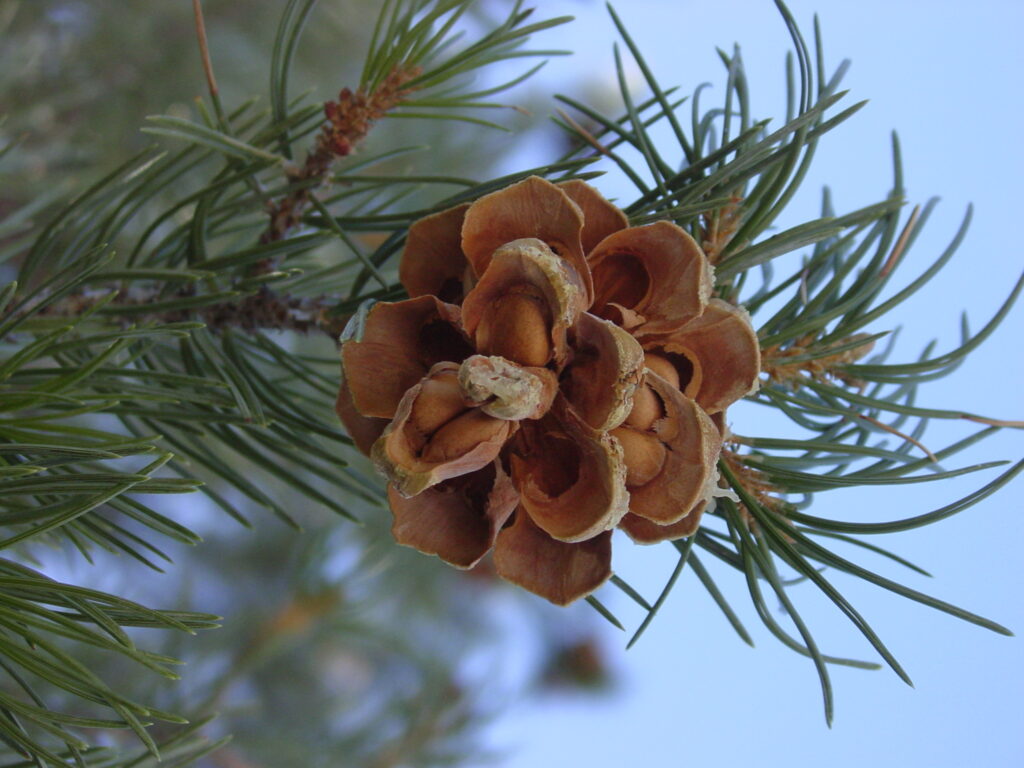
Pinyon pine nut (photo courtesy of National Parks Service)